
Perinatal Loss isn’t just a specialty, it’s personal
My connection to the work I do with those navigating pregnancy loss, infant loss, stillbirth, TFMR, and all forms of perinatal loss is not just a clinical specialty—it is deeply personal.
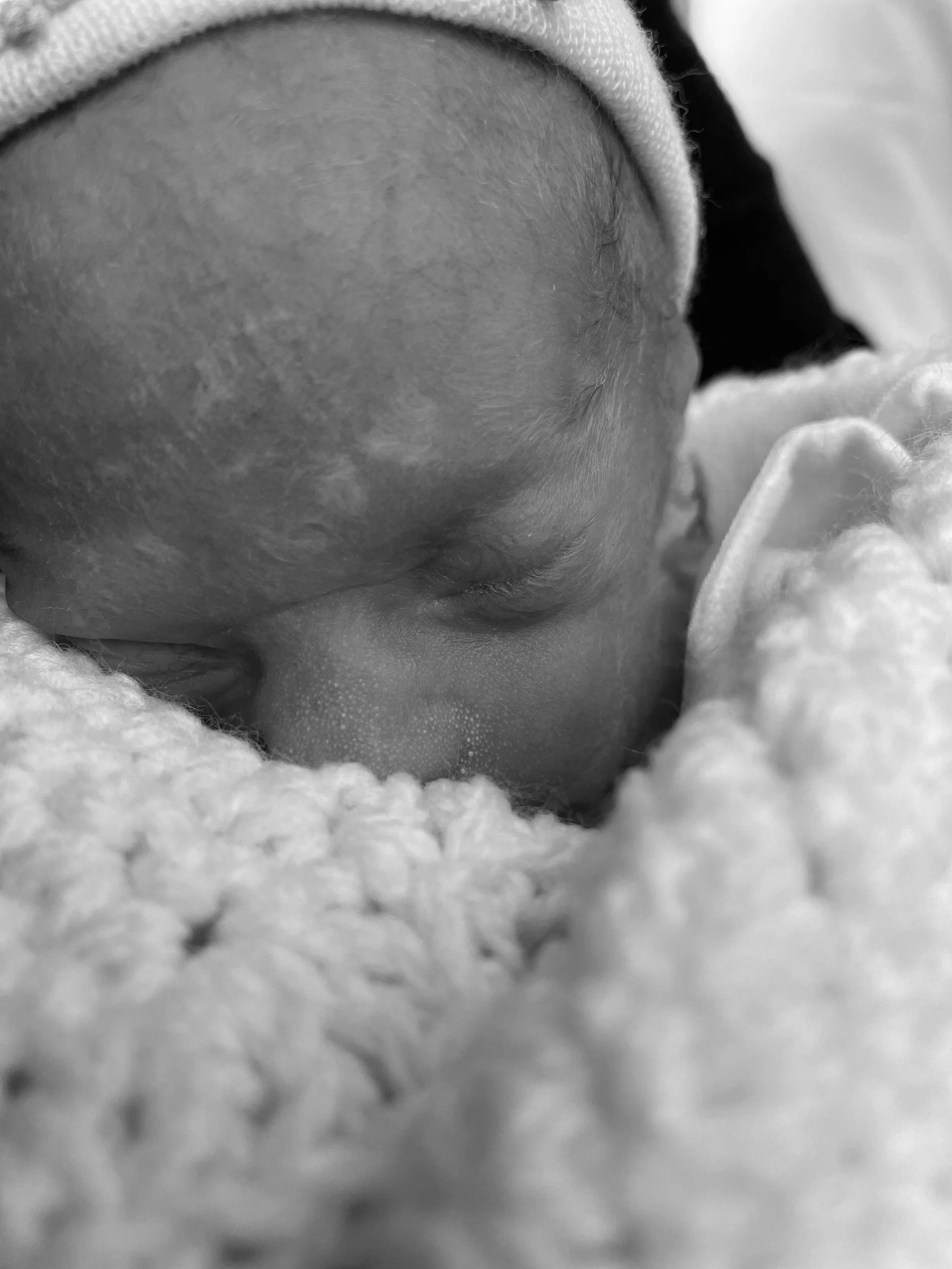
In 2021, I experienced the neonatal death of my second child, my daughter, Lily. During my pregnancy, Lily was diagnosed with a Congenital Diaphragmatic Hernia (CDH), severe IUGR, several cord complications, and a potential heart diagnosis at 24 weeks. At 27 weeks and 6 days, I developed HELLP Syndrome, a life-threatening maternal health condition that required immediate delivery. Because of the severity of Lily’s diagnoses, combined with her prematurity, she was not eligible for the lifesaving interventions typically used to treat CDH. Lily passed away the same day she was born—on the International Day of Awareness for CDH.
At the time, I was already in training as a clinician, and on that day, I felt a clear calling to devote my career to supporting others navigating loss. In the months that followed, I began working with my own therapist, who was also a bereaved mother. Sitting with someone who understood this kind of loss—without explanation, without needing to justify the depth or complexity of the grief—was profoundly impactful. I experienced firsthand how different this grief is, and how important it is to be held by someone who truly understands. It was in that space that the calling I previously felt was confirmed.
While my personal experience informs this work, it is not the only thing I bring into the therapy room. I have pursued extensive training in Perinatal Mental Health, Perinatal Grief and Loss, Perinatal Palliative Care, and Perinatal Trauma. Clients receive not only a therapist who understands this loss on a deeply human level, but also a clinician committed to clinical excellence—someone equipped to support both the emotional and physiological impact of grief with skill, care, and intention.
Approach to Grief: Continuing Bonds
Continuing Bonds are defined as an ongoing inner relationship with the deceased. (Klass et al., 2014)
What are Continuing Bonds?
Continuing Bonds challenge the linear & stage based ideas of grief
Continuing Bonds challenge the idea that remaining connected is “pathological” or “wrong”
Continuing Bonds highlight the benefits of continued connection
Continuing Bonds acknowledge the ongoing nature of grief
Continuing Bonds normalize your ongoing connection to your child
Continuing Bonds provide needed validation for Loss Parents
Continuing Bonds normalize your grief behaviors
How does this approach help?
“We were observing phenomena that could not be accounted for within the models of grief that most of our colleagues were using. It appeared that what we were observing was not a stage of disengagement, which we were educated to expect, but rather, we were observing people altering and then continuing their relationship to the lost or dead person. Remaining connected seemed to facilitate both adults’ and children’s ability to cope with the loss and the accompanying changes in their lives. These “connections” provided solace, comfort, and support and eased the transition from the past to the future.” (Klass et al., 1996)
“While the dominant 20th century grief models believe “that function of grief and mourning is to cut bonds with the deceased, thereby freeing the survivor to reinvest in new relationships in the present.” Continuing Bonds understand that this is a cultural value and not what most people do or benefit from while grieving.” (Klass et al., 2014)
Quotes about Continuing Bonds
Take the next Step